
IEA Slashes Oil Demand Outlook, Warns of Massive 2027 Supply Glut
The IEA said the recent US-Iran agreement could help reopen the Strait of Hormuz and gradually restore oil flows. However, clearing sea mines and fixing supply chains will take months, so a full recovery will not happen immediately. Due to the Iran conflict and high oil prices, the IEA now expects global oil demand to […]
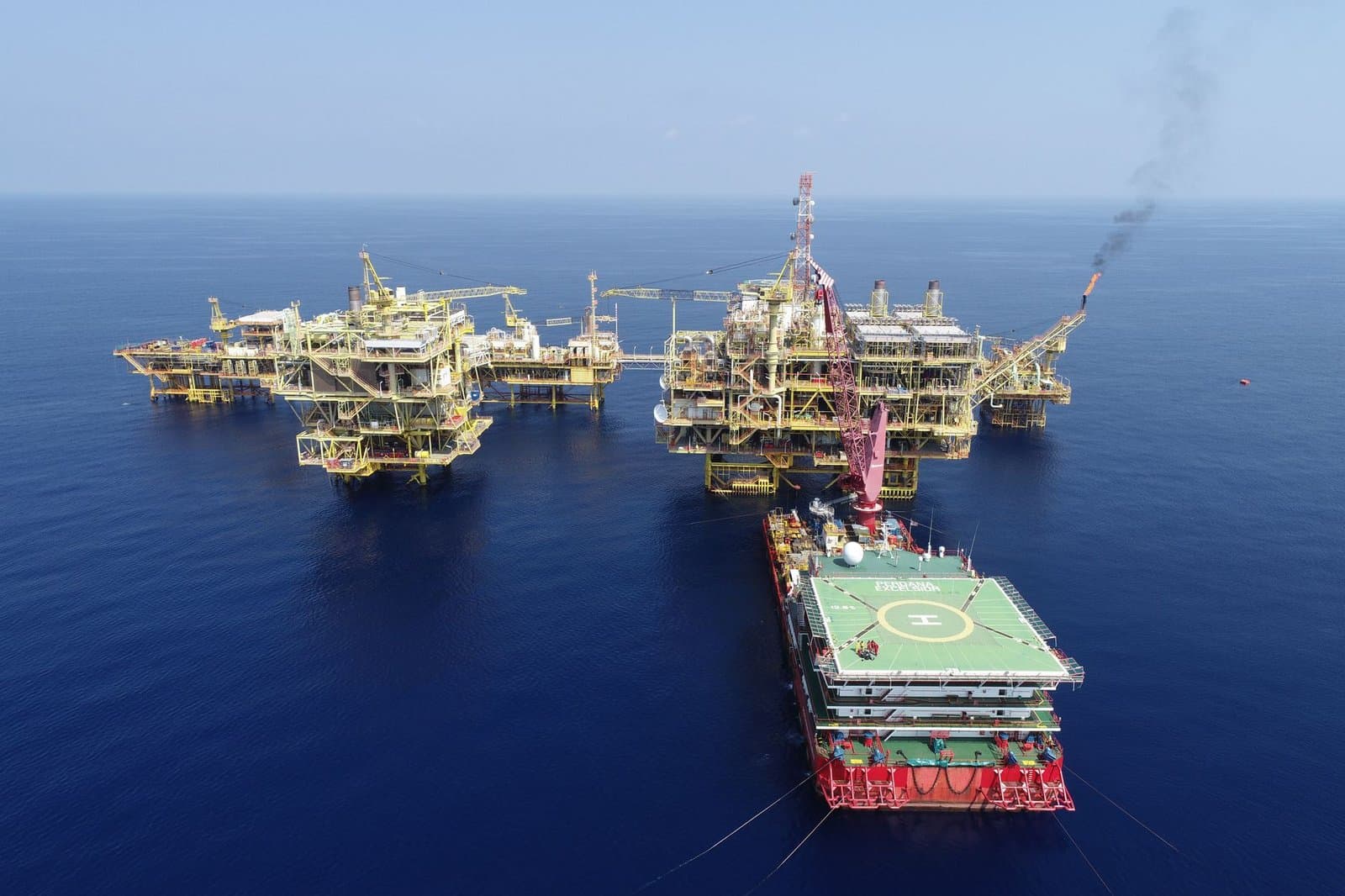
The IEA said the recent US-Iran agreement could help reopen the Strait of Hormuz and gradually restore oil flows. However, clearing sea mines and fixing supply chains will take months, so a full recovery will not happen immediately.
Due to the Iran conflict and high oil prices, the IEA now expects global oil demand to fall by 1.1 million barrels per day (bpd) in 2026, much worse than its earlier forecast of a 420,000 bpd decline.
Since the war began, global monitored oil inventories have been falling by an average 3.8 million bpd, with May stock draws estimated at 4.6 million bpd. OECD government oil stocks are now at their lowest level since 1990.
Global oil supply fell by 600,000 bpd in May to 94.5 million bpd, while OPEC production dropped by 1.1 million bpd month-on-month. The IEA still expects total global supply to decline by 3.9 million bpd in 2026.
The agency forecasts the 2026 supply deficit at 920,000 bpd, an improvement from its previous estimate of 1.7 million bpd. High crude prices and fuel supply disruptions are expected to cut Q2 oil demand by around 5 million bpd.
Looking ahead, the IEA expects oil demand to rebound by 2 million bpd in 2027 as trade normalizes, prices ease and economic conditions improve. Gulf oil output could recover to around 8 million bpd by 2027.
Despite the recovery, the IEA sees a major oversupply risk in 2027. OPEC output could rise by 5.5 million bpd, non-OPEC+ production by 2.5 million bpd, and total supply growth could reach 8 million bpd, far above expected demand growth of 2 million bpd, creating a surplus of more than 5 million bpd.
Related News

India’s July Flash PMI Slows to 54.3 as Inflation Pressures Intensify

US Imposes Section 301 Tariffs on India, China, EU and 57 Other Economies

India Records 21% Rainfall Deficit as Monsoon Lags, Govt Rules Out Crop Impact
India’s Wind Power Capacity Hits 57,443 MW, Generation Surges in FY26
India’s Primary Energy Supply Rises to 39,055 PJ in FY25: MoSPI