
US Imposes Section 301 Tariffs on India, China, EU and 57 Other Economies
The White House has directed the United States Trade Representative (USTR) to impose Section 301 tariffs on imports from 60 economies following investigations into whether they failed to prohibit or effectively enforce bans on goods produced with forced labor. The USTR launched the Section 301 investigations on March 12, 2026, under the Trade Act of […]
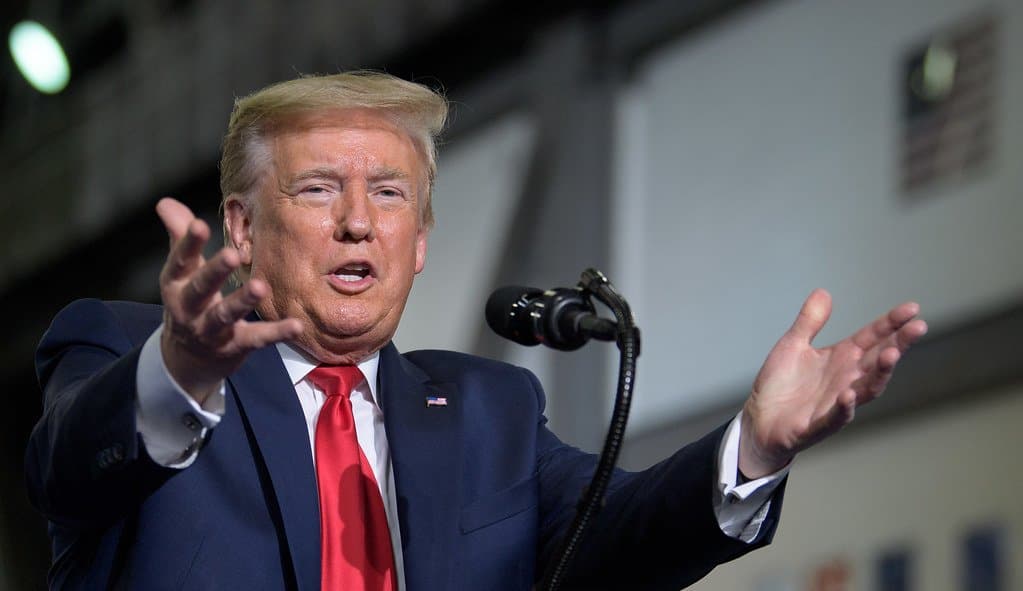
The White House has directed the United States Trade Representative (USTR) to impose Section 301 tariffs on imports from 60 economies following investigations into whether they failed to prohibit or effectively enforce bans on goods produced with forced labor.
The USTR launched the Section 301 investigations on March 12, 2026, under the Trade Act of 1974. On June 2, 2026, it determined that the acts, policies, and practices of all 60 economies were unreasonable and burdened or restricted U.S. commerce, making them actionable under Section 301.
Under the memorandum, a 10% tariff will apply to imports from Argentina, Bangladesh, Cambodia, Canada, Ecuador, El Salvador, Guatemala, Honduras, India, Indonesia, Jordan, Malaysia, Mexico, Pakistan, Sri Lanka, the United Kingdom, and Trinidad and Tobago. Goods from all other investigated economies will face a 12.5% tariff unless otherwise specified.
For imports from the European Union and Taiwan, the Section 301 tariff will be adjusted so the combined Most-Favored Nation (MFN) duty and Section 301 tariff equals 10%. For Japan, South Korea, and Switzerland, the combined MFN duty and Section 301 tariff will be capped at 12.5%, with no additional Section 301 tariff where the MFN rate already meets or exceeds those levels.
The memorandum also directs the USTR to exempt specific products listed in an annex. The exemptions cover raw materials that could create domestic supply shortages, products that could disrupt the U.S. economy, goods unavailable in sufficient quantities from the United States or alternative sources, products where tariffs would not effectively address the identified practices, and certain goods from economies that have made commitments on forced labor import prohibitions.
The USTR said more than 1,600 written comments and testimony from over 100 witnesses were reviewed after public hearings held on July 7, 8, and 9, 2026. Following consultations, Cambodia, Guatemala, Honduras, India, Sri Lanka, and Trinidad and Tobago imposed forced labor import prohibitions, while Jordan made commitments through an Agreement on Reciprocal Trade, resulting in their inclusion in the 10% tariff category.
The memorandum also directs the USTR to establish three-year tariff-rate quotas (TRQs) for Bangladesh, Cambodia, Indonesia, and Malaysia as soon as feasible. The TRQs are intended to encourage imports of U.S. textile goods and U.S. cotton and will allow specified volumes of textile and apparel products to enter the United States without the Section 301 tariffs based on each economy’s use of U.S. inputs.
Until those TRQs are implemented, the applicable 10% Section 301 tariffs will continue to apply to the covered textile and apparel imports from Bangladesh, Cambodia, Indonesia, and Malaysia. The USTR will modify the Harmonized Tariff Schedule of the United States (HTSUS) and publish Federal Register notices when the quotas become effective.
The memorandum states that each tariff action is separate for each of the 60 economies and includes severability provisions to ensure any court ruling affecting one tariff or exemption does not invalidate the remaining measures. The Trade Representative may modify or terminate tariffs, exemptions, or TRQs for an economy, subject to presidential direction and Section 307 of the Trade Act of 1974.
Related News
India’s July Flash PMI Slows to 54.3 as Inflation Pressures Intensify

India Records 21% Rainfall Deficit as Monsoon Lags, Govt Rules Out Crop Impact
India’s Wind Power Capacity Hits 57,443 MW, Generation Surges in FY26
India’s Primary Energy Supply Rises to 39,055 PJ in FY25: MoSPI
Trump Unveils New US Tariff Plan for Generic Drug Imports from 2026