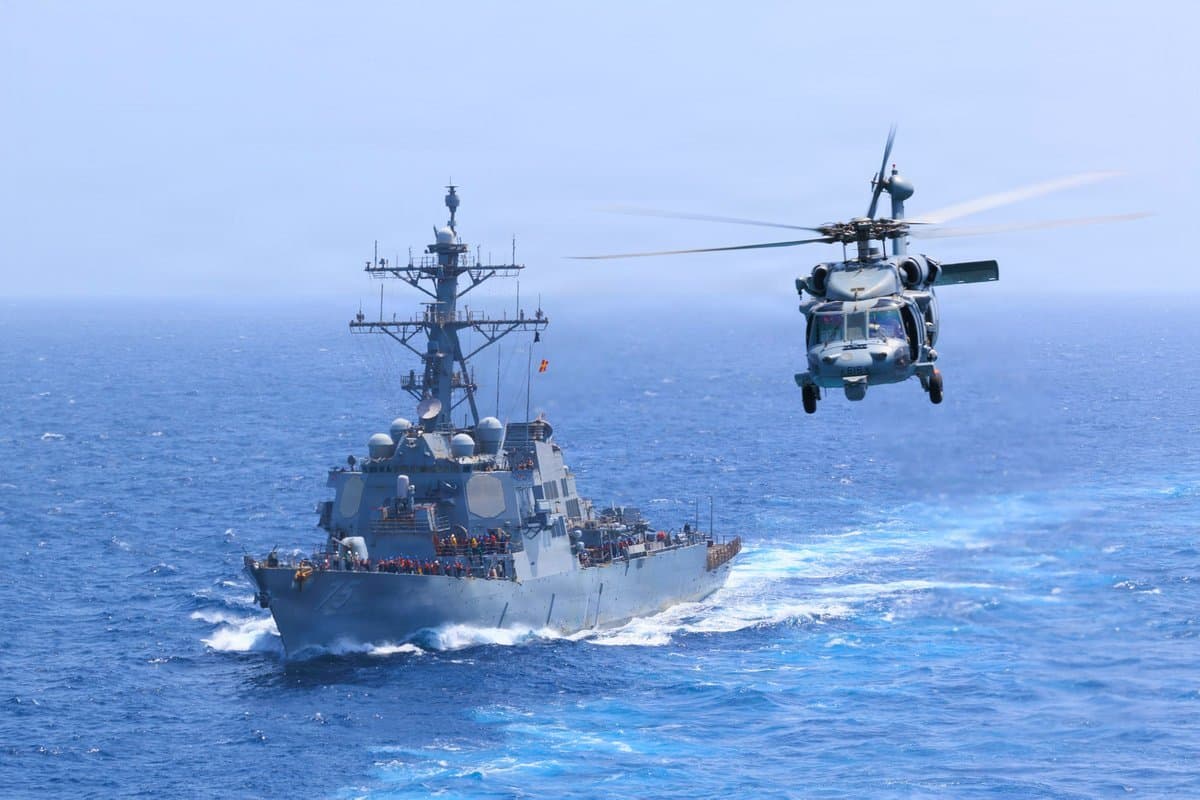
US-Iran Conflict Widens as New Strikes Trigger Regional Escalation
The United States said it carried out fresh military strikes across Iran on June 10. According to U.S. Central Command, the attacks targeted Iranian military surveillance systems, communication networks, and air defense sites that were considered threats to U.S. forces and commercial shipping in the region. In response, Iran announced the closure of the Strait […]
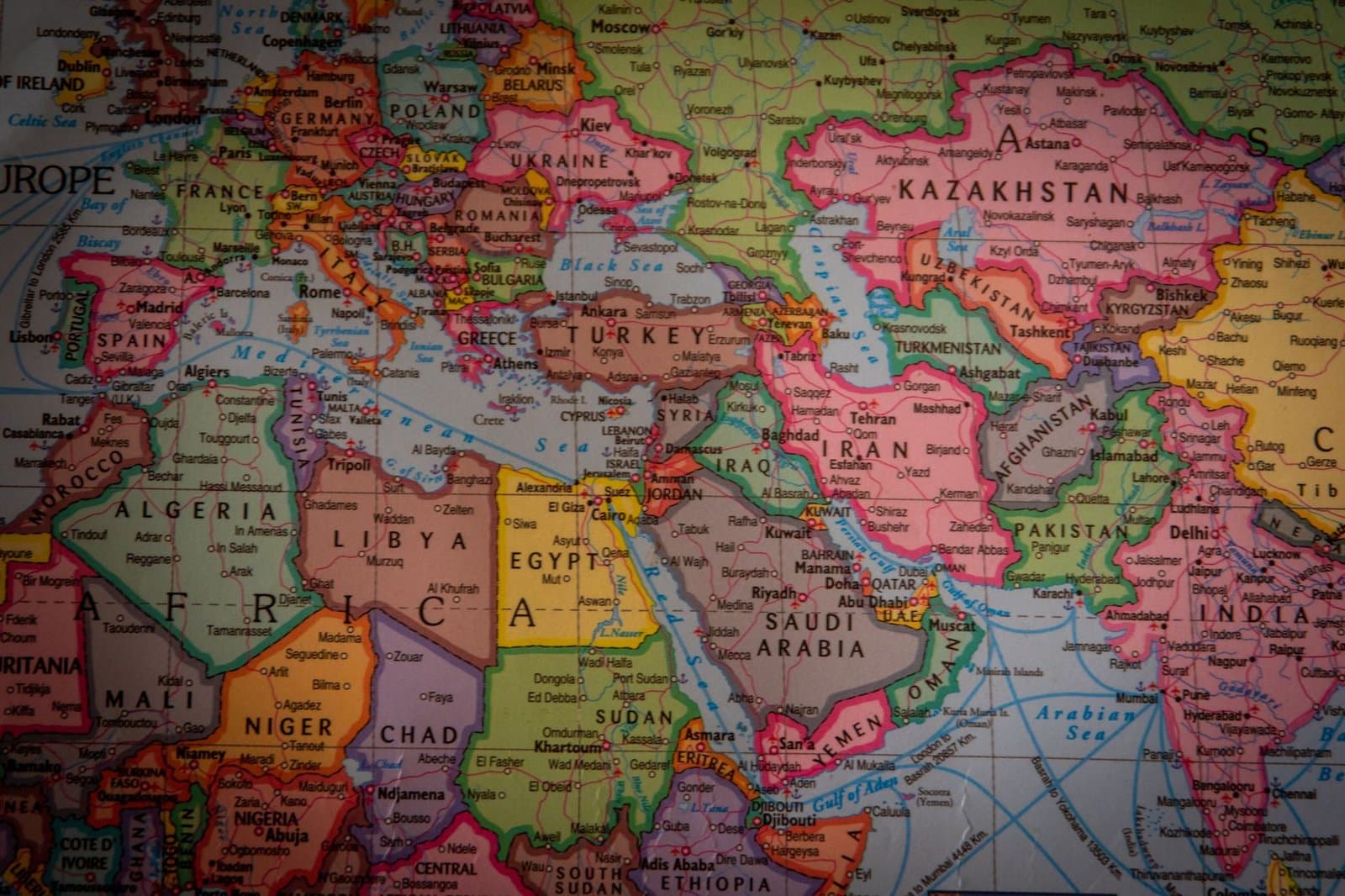
The United States said it carried out fresh military strikes across Iran on June 10. According to U.S. Central Command, the attacks targeted Iranian military surveillance systems, communication networks, and air defense sites that were considered threats to U.S. forces and commercial shipping in the region.
In response, Iran announced the closure of the Strait of Hormuz, one of the world’s most important oil shipping routes. Iranian officials said oil tankers, merchant ships, and other vessels would not be allowed to pass through the waterway. The IRGC warned that any ship approaching the strait could be treated as cooperating with hostile forces.
Initially, U.S. officials rejected Iranian claims and said commercial traffic was still moving through the strait. However, Iran’s IRGC Navy later repeated that the waterway remained closed until further notice, accusing the United States of repeatedly violating ceasefire commitments.
U.S. President Donald Trump said American fighter jets were operating over Iran and claimed Iranian officials had contacted him directly. Iran denied the statement and called it false. Trump also warned that additional U.S. military action could follow if Iran refused to reach an agreement.
Iranian media reported retaliatory drone attacks against the U.S. Fifth Fleet in Bahrain, claiming that radar and communication facilities were targeted. Iran also said it launched missile attacks on the Harir air base in northern Iraq and destroyed a U.S. radar installation in Iraqi Kurdistan.
The IRGC claimed it struck 18 major U.S. military targets across the Middle East in two waves of operations. It said attacks included the Al Asad air base in Iraq and a barrage of 12 ballistic missiles aimed at the Al Azraq base in Jordan, where U.S. aircraft were reportedly stationed.
Meanwhile, Bahrain, Jordan, and Kuwait said their air defense systems intercepted Iranian missiles and drones targeting U.S. military assets. Kuwait reported active engagements against hostile drones and ballistic missiles, highlighting the growing regional nature of the conflict.
Iranian military leaders said their operations forced the United States to halt attacks and warned that further retaliation remains possible. IRGC Aerospace Force commander Majid Mousavi threatened severe consequences if U.S. operations continue, while Trump described the latest U.S. strikes as “fierce and brutal” and said more action remains on the table.
Update: Iran’s Foreign Ministry condemned U.S. overnight strikes on its territory, blaming the U.S. administration for the escalation. The April 8 ceasefire is now void. Iran cited violations of the UN Charter and international law. The Ministry warned regional countries against hosting U.S. forces against Iran and affirmed its right to self-defense by striking the attack’s origin.
Related News
US Hits Iran for 13th Straight Night as Congress Splits on War Powers
US-Iran Conflict Escalates as CENTCOM Strikes Continue, Hormuz Shut
US Launches 11th Straight Night of Iran Strikes as Tensions Escalate
CENTCOM Hits Iran Again, Trump Eyes Broader Military Action
US Launches 9th Night of Iran Strikes as Conflict Intensifies