US Launches Fresh Iran Strikes as Strait of Hormuz Tensions Escalate
The U.S. Central Command (CENTCOM) said it carried out a new wave of offensive strikes against Iran on July 12, targeting dozens of sites at multiple locations with precision munitions. According to CENTCOM, the operation was aimed at degrading Iran’s ability to continue attacking international shipping transiting the Strait of Hormuz. CENTCOM said U.S. forces […]
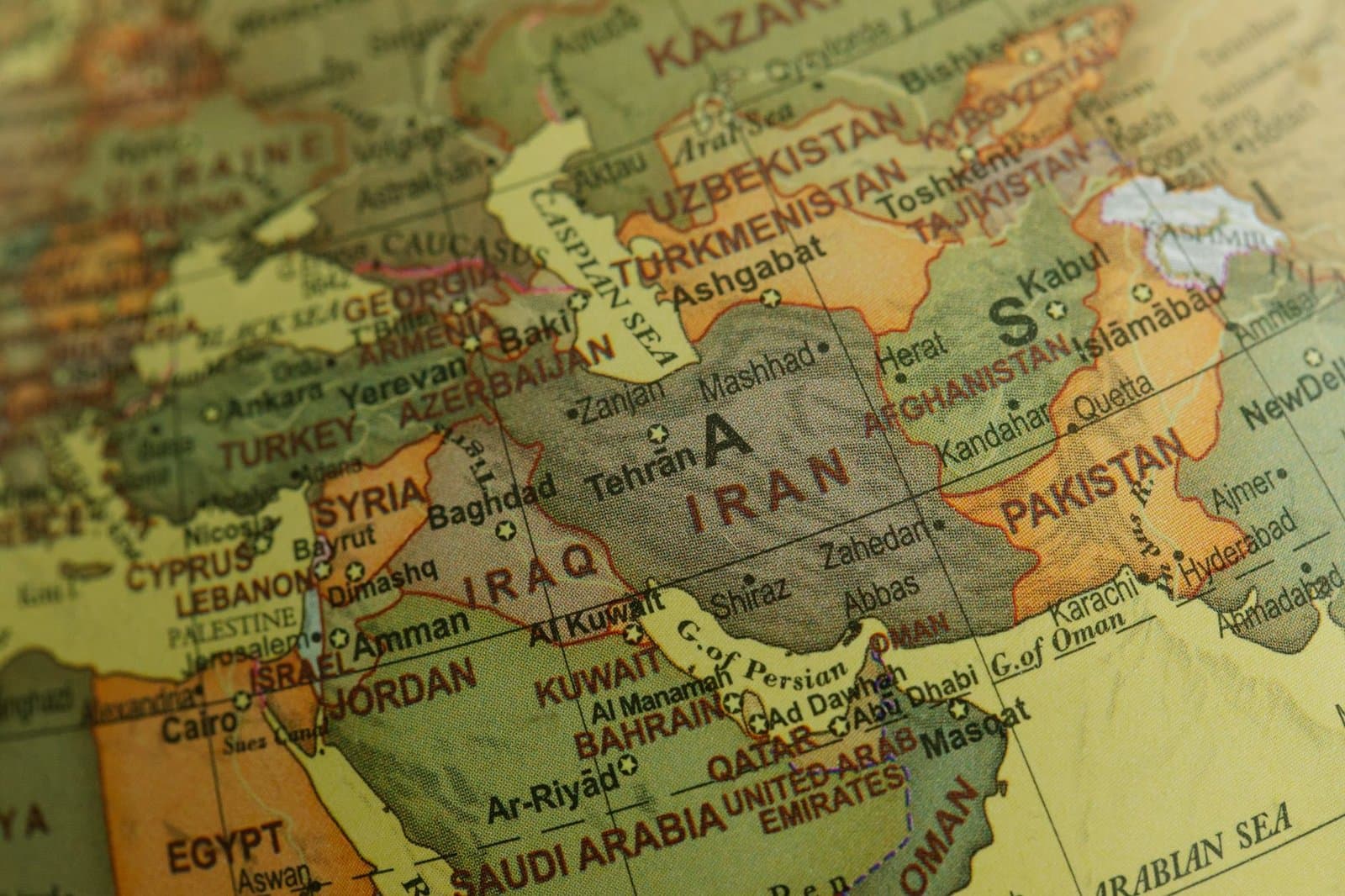
The U.S. Central Command (CENTCOM) said it carried out a new wave of offensive strikes against Iran on July 12, targeting dozens of sites at multiple locations with precision munitions. According to CENTCOM, the operation was aimed at degrading Iran’s ability to continue attacking international shipping transiting the Strait of Hormuz.
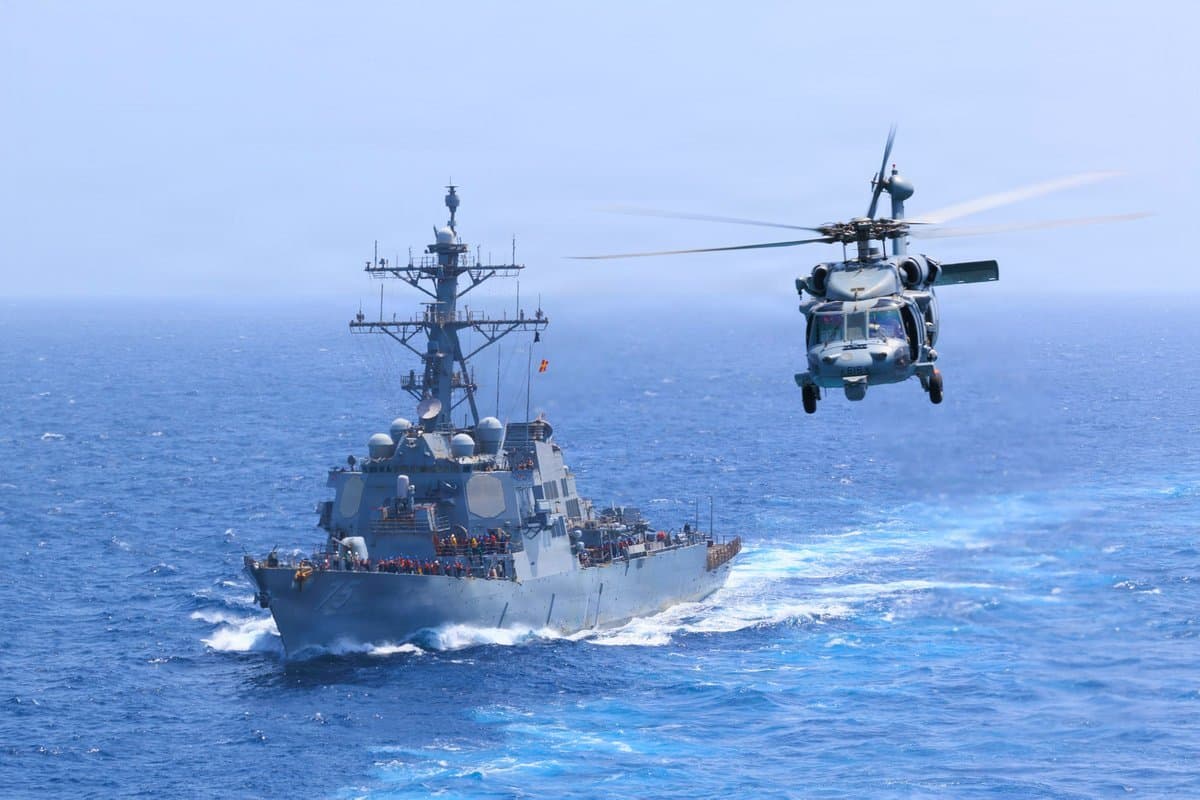
CENTCOM said U.S. forces struck Iranian military air-defense systems, coastal radar sites, missile and drone capabilities, and small boats. The operation involved U.S. fighter aircraft, naval vessels, one-way attack aerial drones, and, for the first time, one-way attack sea drones. The command said U.S. forces remain prepared to ensure freedom of navigation for commercial shipping through the Strait of Hormuz.
CENTCOM spokesman Capt. Hawkins said Iran’s Islamic Revolutionary Guard Corps (IRGC) fired on commercial vessels transiting the Strait of Hormuz within the past hour. He added that U.S. aircraft shot down one Iranian cruise missile and one one-way attack drone. CENTCOM also said additional strikes began at 5:00 p.m. ET on July 12, while the IRGC said its retaliatory actions were ongoing.
The IRGC described its latest attacks as a first-stage response to U.S. strikes on Iran’s coastal bases. It said it launched missiles and drones at Jordan’s Prince Hassan Airbase, igniting fuel tanks and ammunition depots. Iranian media also reported a large retaliatory strike targeting U.S. military positions across the Gulf, while Press TV reported an explosion at a U.S. military base in Bahrain. Iran’s Mehr News Agency later reported preliminary accounts of explosions in parts of Bushehr province.
Iranian officials also reported multiple U.S. strikes inside the country. IRNA said a U.S. airstrike on the port of Mahshahr in southwest Iran killed one person and wounded four. Iran’s deputy governor of Khuzestan said two locations near Ahvaz and several other cities and counties in the province were struck at 01:35. Separately, Iran’s foreign ministry said talks held in Muscat on Saturday focused on managing the Strait of Hormuz, while alleging the United States pressured Oman to block any outcome.
A U.N. spokesperson said Secretary-General António Guterres expressed deep concern over the escalation in the Gulf and urged the United States and Iran to resume talks, exercise maximum restraint, and restore freedom of navigation through the Strait of Hormuz. Meanwhile, The New York Times, citing a U.S. official, reported that a U.S. strike on Iranian military targets late Sunday local time may have been larger in scale than an earlier strike carried out the same day.
Renewed U.S.–Iran tensions have pushed oil prices higher, increasing expectations that the Federal Reserve may raise interest rates to control inflation. The two-year U.S. Treasury yield, which is highly sensitive to Fed policy, briefly climbed to 4.24%, its highest level since February 2025, while the 10-year yield rose to 4.59%. Markets now see a near-certain chance of a Fed rate hike in September, up from around 66% a week ago, as investors react to escalating geopolitical risks, including recent attacks involving Iran and strikes on Russian refineries.
Iran Says US Deal in Crisis, Won’t Comply Until Commitments Are Met
Iran says its memorandum of understanding with the US has entered a “crisis stage,” accusing Washington of repeatedly violating the agreement. Foreign Ministry spokesman Esmail Baghaei said Tehran has honored its commitments, while the US failed to implement key provisions, including the agreed 60-day period related to the Strait of Hormuz.
Baghaei said talks with Oman to establish a mechanism for safe passage through the Strait of Hormuz were unsuccessful. Iran warned that ships using routes parallel to US transit lanes in the strait could face security risks as tensions continue to rise.
Iranian Foreign Ministry spokesperson Esmail Baghaei said seeking justice for the killing of Iran’s Supreme Leader remains a key priority and reflects public demand. He said Iran will use all available legal and international channels to document the alleged crimes and pursue accountability. Baghaei also accused those responsible for the deaths of thousands of Iranians of now portraying themselves as victims.
Baghaei said Iran does not target or intend to attack any regional country. He stated that Iran’s military actions are aimed only at U.S. bases, facilities and positions used to launch attacks against Iran, including logistical and support infrastructure. He added that Iran will not hesitate to defend itself and warned that any location used to attack Iran could become a target of its defensive response.
Iran’s Foreign Ministry stated mediators aim to prevent escalation and noted recent contact with Qatar, Oman, and Pakistan, with communications continuing. The Ministry dismissed claims that Iran requested negotiations as U.S. psychological warfare. It declared that decisions on nuclear issues, national security, and sovereignty remain based on its own judgment. The Ministry declined to comment on U.S. media satellite images showing an attack on an Iranian nuclear facility.
Trump Says U.S. May Take Charge of Strait of Hormuz
U.S. President Donald Trump said Iran “received nothing” and currently “has nothing” after the latest U.S. military action. He added that the United States carried out a severe overnight strike on Iran and claimed Tehran had broken an agreement previously reached with Washington.
Trump also said the United States is taking control of the Strait of Hormuz and would defend the vital shipping route. He added that the U.S. could operate the strait in the future and would be paid for providing security. Trump described Iran as “bad people” while outlining his administration’s position.
CENTCOM Unveils First Combat Use of Corsair Sea Drone
The U.S. Central Command (CENTCOM) has released footage showing what it says is the first operational use of the Corsair one-way attack surface drone. The unmanned vessel was used during yesterday’s strikes on a ship and submarine maintenance facility in Bandar Abbas, Iran. CENTCOM said the attack was aimed at weakening Iran’s naval capabilities and reducing its ability to threaten commercial shipping in the Strait of Hormuz.
The Corsair had previously gained attention after helping rescue the crew of a downed U.S. Army AH-64 Apache near the Strait of Hormuz last month. It autonomously reached the survivors, carried them to a safe location, and assisted in their rescue. The latest mission shows the drone can be used for both combat strikes and rescue operations, depending on mission requirements.
Related News
US Hits Iran for 13th Straight Night as Congress Splits on War Powers
US-Iran Conflict Escalates as CENTCOM Strikes Continue, Hormuz Shut
US Launches 11th Straight Night of Iran Strikes as Tensions Escalate
CENTCOM Hits Iran Again, Trump Eyes Broader Military Action
US Launches 9th Night of Iran Strikes as Conflict Intensifies