
India Faces 50% US Tariffs as Trade Dispute Turns Geopolitical
US Tariffs Target India India is bracing for heavy tariffs from the United States, with Washington preparing to impose duties of up to 50% on Indian exports. According to economist Swaminathan Aiyar, this trade dispute has now shifted beyond simple trade disagreements into the realm of foreign policy. Aiyar said the US move is linked […]
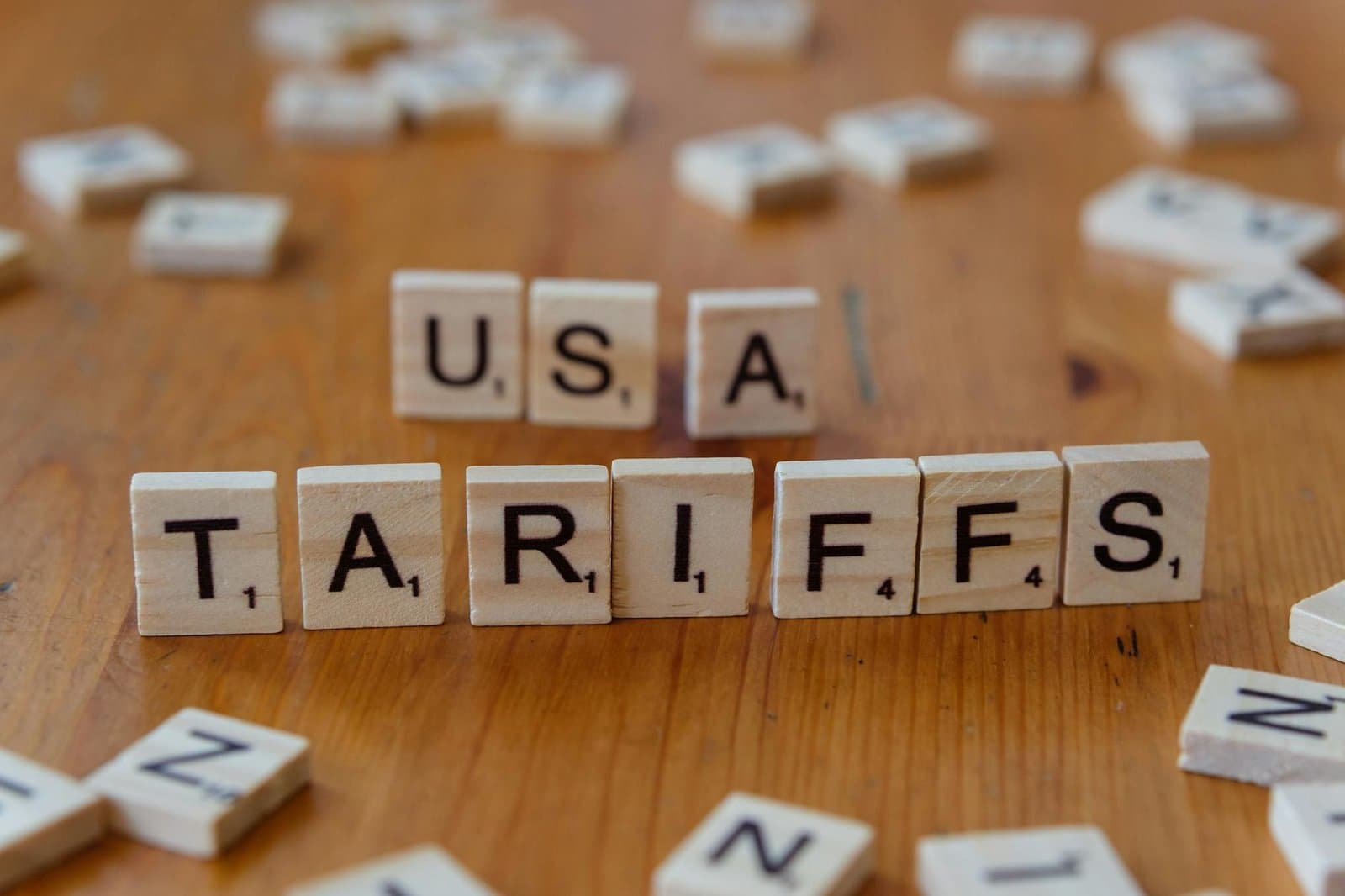
US Tariffs Target India
Aiyar said the US move is linked to India’s ongoing purchase of Russian crude oil. He explained that this is more about geopolitics than economics, especially as the US wants India to reduce energy ties with Russia.
Impact on Indian Economy
Aiyar believes that Indian markets could face disruption for at least one or two quarters due to the tariffs. However, he expects investors will eventually look past the volatility. He also questioned why India should spend billions on American aircraft if it is being penalized with such tariffs, while Russia continues to support India with oil and defense supplies.
Interestingly, the US tariff measures differ by country — Pakistan faces 19% tariffs, China faces up to 200%, while India is in between at 50%. India’s exports to the US account for nearly 2% of its GDP, which makes the impact significant. Domestic demand, Aiyar added, cannot fully replace the lost American market.
Possible Indian Response
Aiyar suggested that India could retaliate as it did during Donald Trump’s first term, when it imposed tariffs on 28 American products. He also pointed out that India could challenge the US in the field of intellectual property rights by easing rules on compulsory licensing of patented US drugs.
However, he warned against restricting exports of Indian generic drugs to the US, as this could hurt both countries.
Investor Reactions: Mark Mobius Weighs In
Veteran global investor Mark Mobius, founder of Mobius Capital Partners, also shared his view. He noted that the US has already imposed a 25% tariff on Indian goods starting August 27. Mobius expects this will impact India’s GDP by around 0.5% to 0.75%.
The most affected industries will be pharmaceuticals, garments, and gems. Mobius said he has reduced his India cash portfolio to 25% and is cautious on new investments.
Still, he remains optimistic about India’s long-term growth. He believes the current situation may even push India to reform its taxation system, leading to faster growth in the future. He added that the Indian stock market, particularly the Nifty 50, could recover and outperform after the initial pressure.
Outlook
While the new US tariffs introduce short-term challenges, experts agree that India can navigate through this period. Export losses may hurt, but domestic demand, structural reforms, and geopolitical balancing could help stabilize the economy.
In the long run, this trade conflict might become an opportunity for India to strengthen its role as a global manufacturing and investment hub.
Related News

Air India AI-171 Crash Probe Advances, Final Report Pending

RBI Strengthens Cooperative Banks with Priority Sector Lending Reforms, Digital Push and Governance Changes

India’s Forex Reserves Drop to $717 Billion as Gold and FX Assets Decline: RBI Data

RBI Tightens Lending Rules to Brokers: Fully Secured Loans Mandatory from April 1, 2026

India-EU FTA Digital Trade Chapter to Boost Paperless Trade, e-Invoicing and Secure Cross-Border Transactions
