US Diesel Crisis Ahead? Goldman Sees Supply Falling to 20 Days
Goldman Sachs has warned that US diesel supplies could tighten sharply by August if disruptions in the Middle East continue and the Strait of Hormuz remains effectively closed. Goldman Sachs commodity research co-head Daan Struyven said US diesel inventories could fall to around 20 days of supply by August if crude oil stockpiles keep declining […]
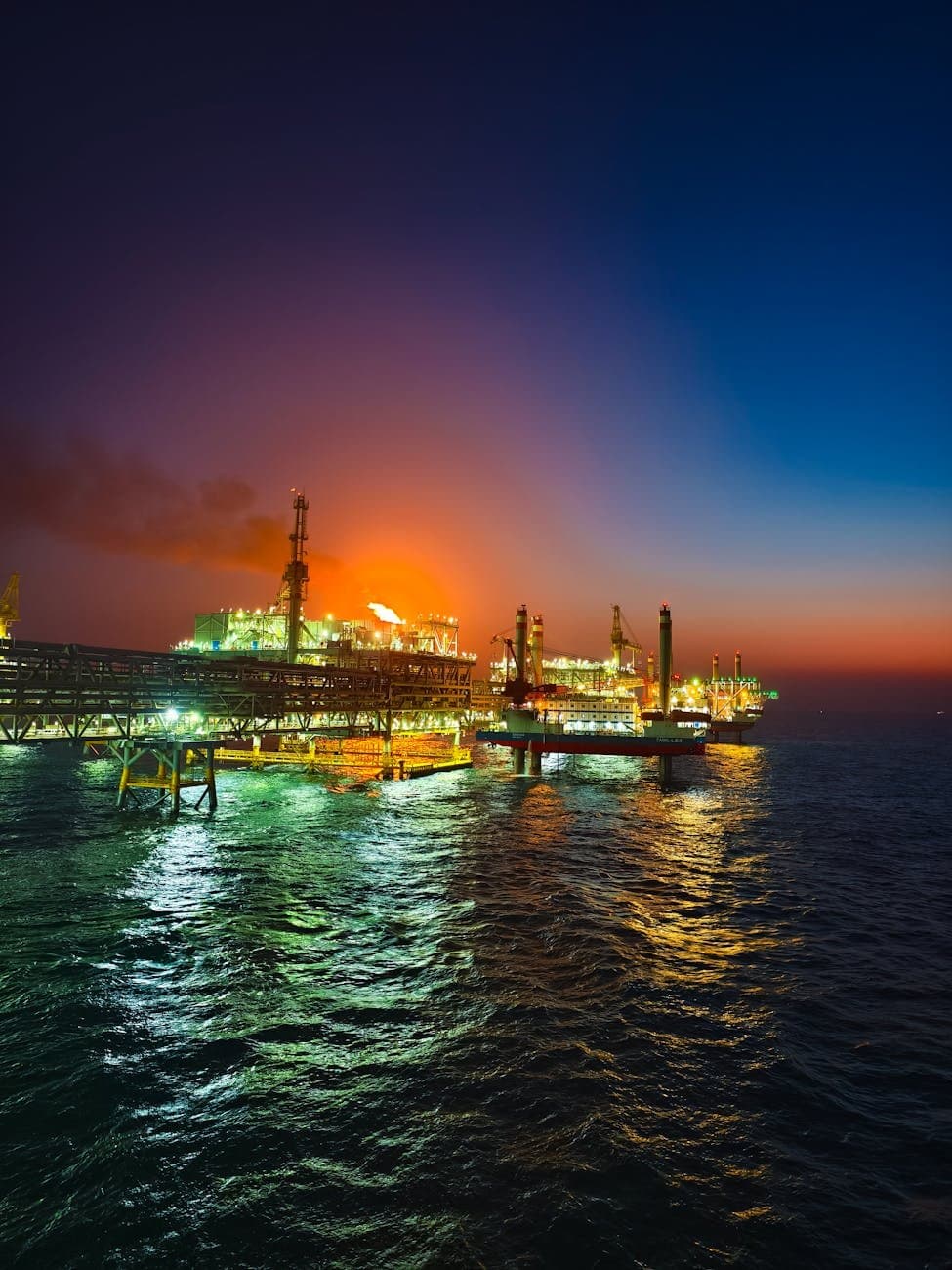
Goldman Sachs has warned that US diesel supplies could tighten sharply by August if disruptions in the Middle East continue and the Strait of Hormuz remains effectively closed.
Goldman Sachs commodity research co-head Daan Struyven said US diesel inventories could fall to around 20 days of supply by August if crude oil stockpiles keep declining at recent rates.
He noted that US crude inventories have recorded their largest eight week drop on record, while diesel inventories are currently at their lowest level since 2003.
The conflict involving Iran has pushed oil shipments through the Strait of Hormuz close to zero, removing millions of barrels from global markets and increasing pressure on energy supplies.
According to EIA data, US diesel coverage fell to about 28 days in the week ended May 22, down from roughly 36 days at the end of January. Goldman said existing inventories can help in the short term, but prolonged disruptions could significantly tighten supplies.
Analysts have warned OPEC that disruptions through the Strait of Hormuz could continue until the end of 2026, while ADNOC CEO Sultan Al Jaber said normal oil flows may not fully resume before Q1 or Q2 of 2027.
Although OPEC has announced higher production targets, several member countries are unable to export their full volumes due to shipping constraints, leading some analysts to view the planned output increases as largely symbolic.
The IEA said global energy investment is expected to reach $3.4 trillion in 2026, with $2.2 trillion going into renewables, storage, grids and low emission fuels. Gas investment is set to rise to $330 billion, coal investment to a 14 year high of $180 billion, and nuclear spending to $80 billion, as countries seek greater energy security amid ongoing Middle East disruptions.
Related News
US Imposes Section 301 Tariffs on India, China, EU and 57 Other Economies

India Records 21% Rainfall Deficit as Monsoon Lags, Govt Rules Out Crop Impact
India’s Wind Power Capacity Hits 57,443 MW, Generation Surges in FY26
India’s Primary Energy Supply Rises to 39,055 PJ in FY25: MoSPI
Trump Unveils New US Tariff Plan for Generic Drug Imports from 2026