
RBI Sees Inflation Risks Easing, Rules Out Immediate Rate Hike
RBI Governor Sanjay Malhotra said monetary policy remains in a wait-and-watch mode as global and external uncertainties continue. He said it is premature to discuss rate hikes and the RBI would first signal markets by shifting its stance from neutral to restrictive if tightening was needed. The governor said easing tensions in West Asia is […]
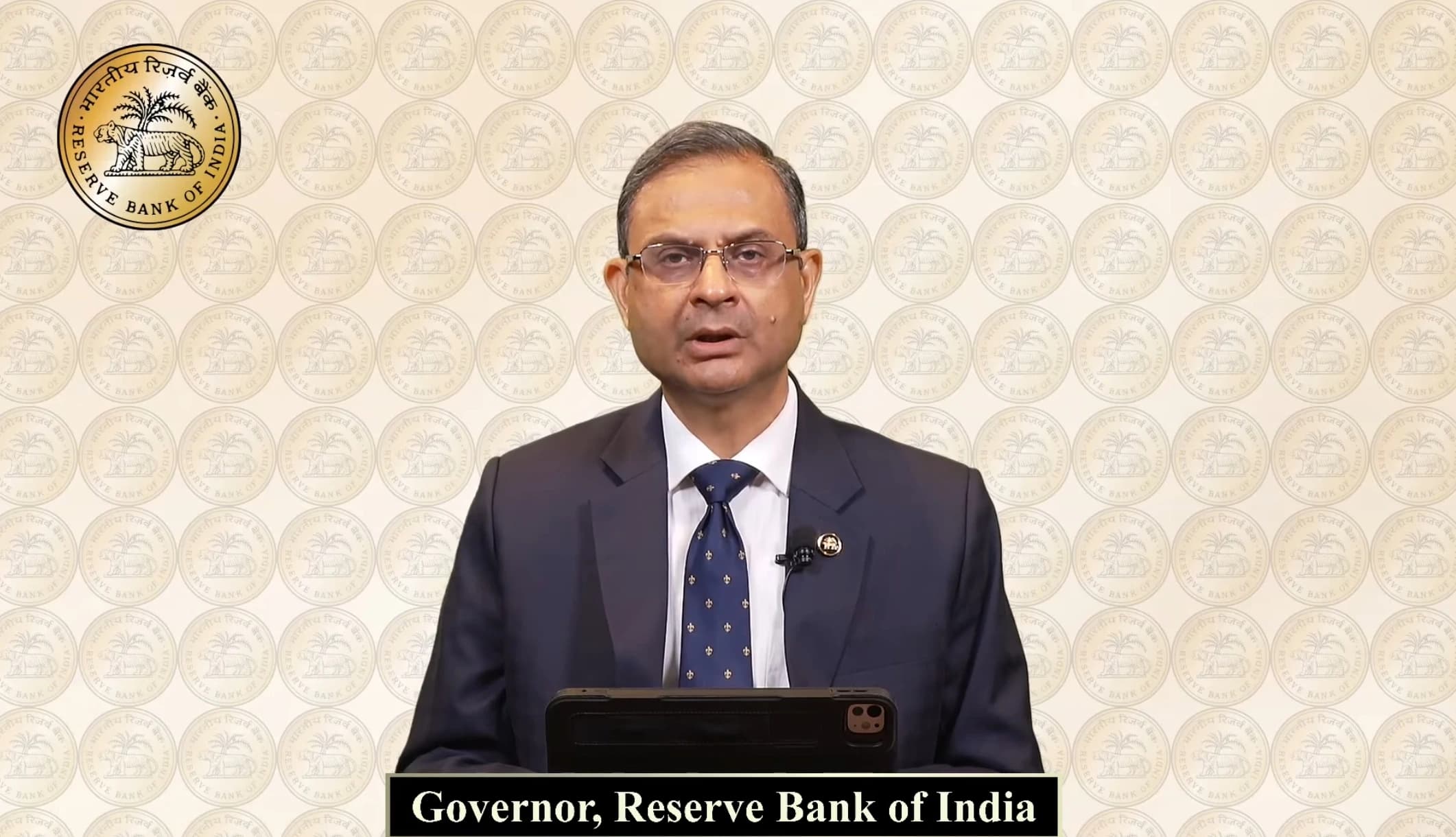
RBI Governor Sanjay Malhotra said monetary policy remains in a wait-and-watch mode as global and external uncertainties continue. He said it is premature to discuss rate hikes and the RBI would first signal markets by shifting its stance from neutral to restrictive if tightening was needed.
The governor said easing tensions in West Asia is a major positive for both India and the global economy. Lower crude oil prices are helping reduce inflation risks while also supporting economic growth.
On inflation, Malhotra said there are still no signs of broad-based price pressures. Second-round inflation effects remain uncertain, but upside risks have eased and have not become entrenched in the economy.
Regarding the rupee, he said market forces should determine the exchange rate and the RBI does not target any specific rupee level. Central bank interventions are only aimed at ensuring orderly volatility in the foreign exchange market.
The governor said RBI measures to attract dollar inflows have received a positive initial response, with sizable capital inflows expected. FX market volatility has remained orderly after steps were taken to curb speculative activity, and more measures to facilitate investment are being prepared.
On capital flows, Malhotra said a modest correction in equity valuations could slow foreign inflows driven by capital markets. He added that the inclusion of Indian government bonds in the Bloomberg bond index would be positive for India and support long-term foreign investment.
On reserves management, the RBI governor said gold held in India’s foreign-exchange reserves is primarily meant to meet safety and liquidity requirements, highlighting its role as a stable reserve asset.
Related News
US Imposes Section 301 Tariffs on India, China, EU and 57 Other Economies

India Records 21% Rainfall Deficit as Monsoon Lags, Govt Rules Out Crop Impact
India’s Wind Power Capacity Hits 57,443 MW, Generation Surges in FY26
India’s Primary Energy Supply Rises to 39,055 PJ in FY25: MoSPI
Trump Unveils New US Tariff Plan for Generic Drug Imports from 2026