
China to Impose Special Port Service Fees on U.S. Vessels Starting October 14, 2025
China has announced that it will introduce special port service fees for vessels connected to the United States, effective from October 14, 2025. The fees apply to certain U.S.-linked ships and are aimed at regulating port operations. Who Is Affected? Ships owned, operated, or built by U.S. entities or individuals. Vessels flying the U.S. flag. […]
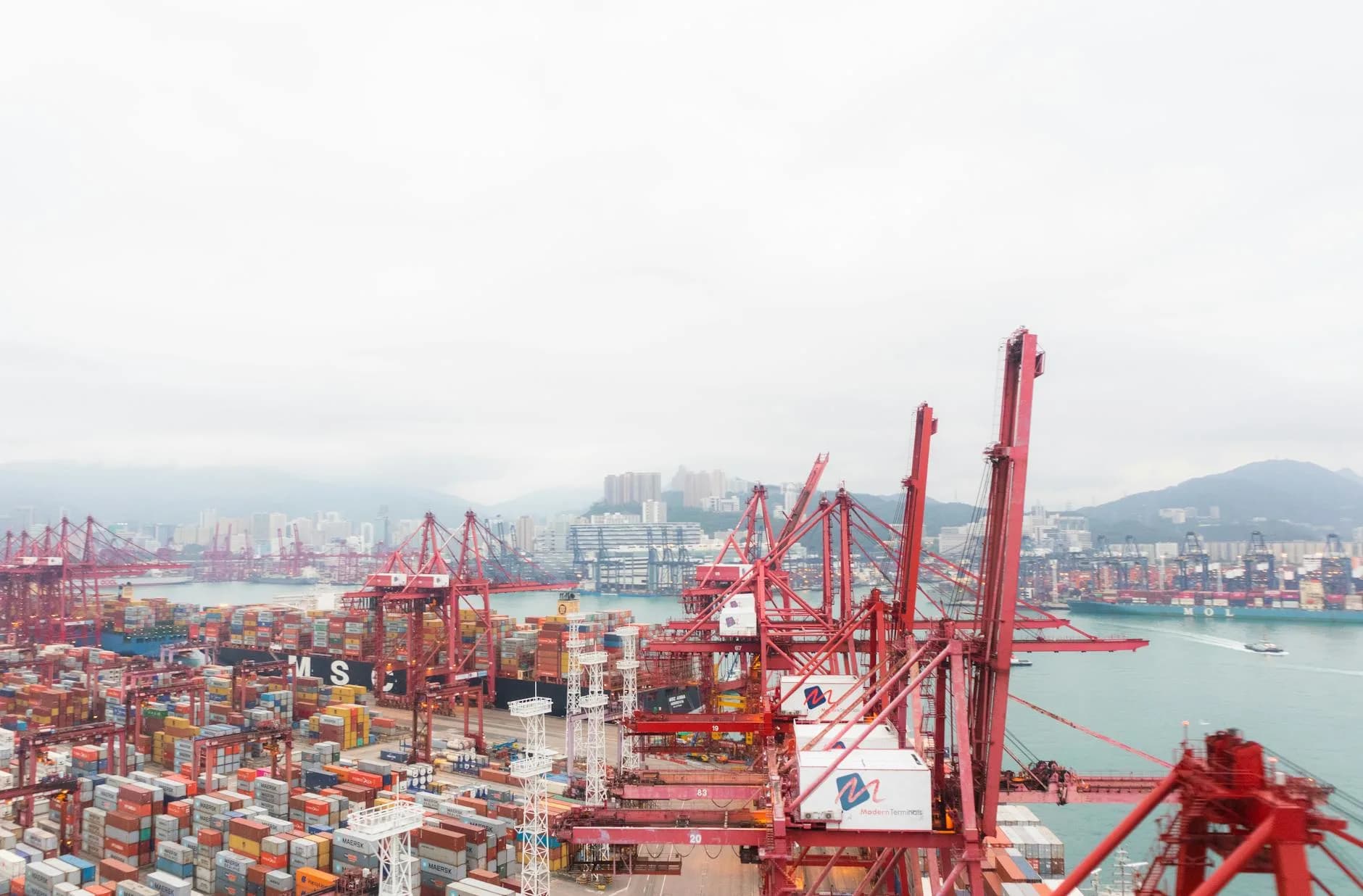
China has announced that it will introduce special port service fees for vessels connected to the United States, effective from October 14, 2025. The fees apply to certain U.S.-linked ships and are aimed at regulating port operations.
Who Is Affected?
- Ships owned, operated, or built by U.S. entities or individuals.
- Vessels flying the U.S. flag.
- Ships owned or operated by companies with 25% or more U.S. ownership.
Fee Rates
The fees will increase gradually over the years:
- From October 14, 2025: RMB 400 per net ton
- From April 17, 2026: RMB 640 per net ton
- From April 17, 2027: RMB 880 per net ton
- From April 17, 2028: RMB 1,120 per net ton
Note: Each vessel will be charged for a maximum of five voyages per year.
Administration and Compliance
The fees will be collected by local maritime authorities. Vessels that fail to pay the charges will not be cleared for entry or exit at Chinese ports.
Exemptions
- Ships built in China.
- Vessels entering ports only for repairs.
- Ships granted official exemptions by authorities.
Future Adjustments
The scope and rates of the fees may be revised in the future based on changing circumstances and policy needs.
Related News

Air India AI-171 Crash Probe Advances, Final Report Pending

RBI Strengthens Cooperative Banks with Priority Sector Lending Reforms, Digital Push and Governance Changes

India’s Forex Reserves Drop to $717 Billion as Gold and FX Assets Decline: RBI Data

RBI Tightens Lending Rules to Brokers: Fully Secured Loans Mandatory from April 1, 2026

India-EU FTA Digital Trade Chapter to Boost Paperless Trade, e-Invoicing and Secure Cross-Border Transactions
